Orfomax (Export)
Home / By Brand Name / Orfomax (Export)
Orfomax (Export)
Generic Name: Orforglipron
Therapeutic Class: GLP-1 receptor agonist
Composition
Each
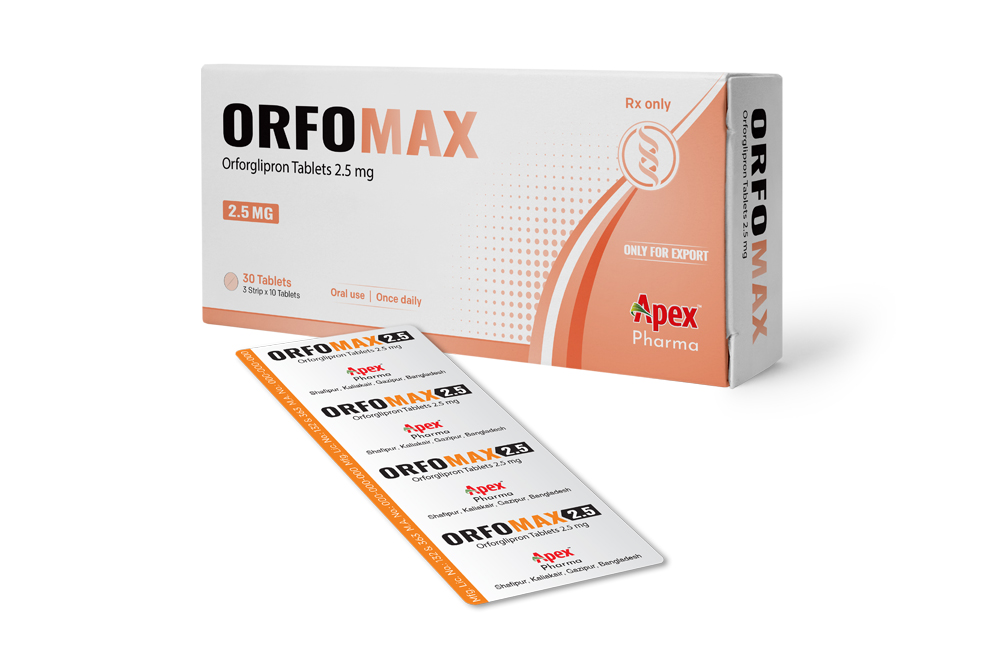
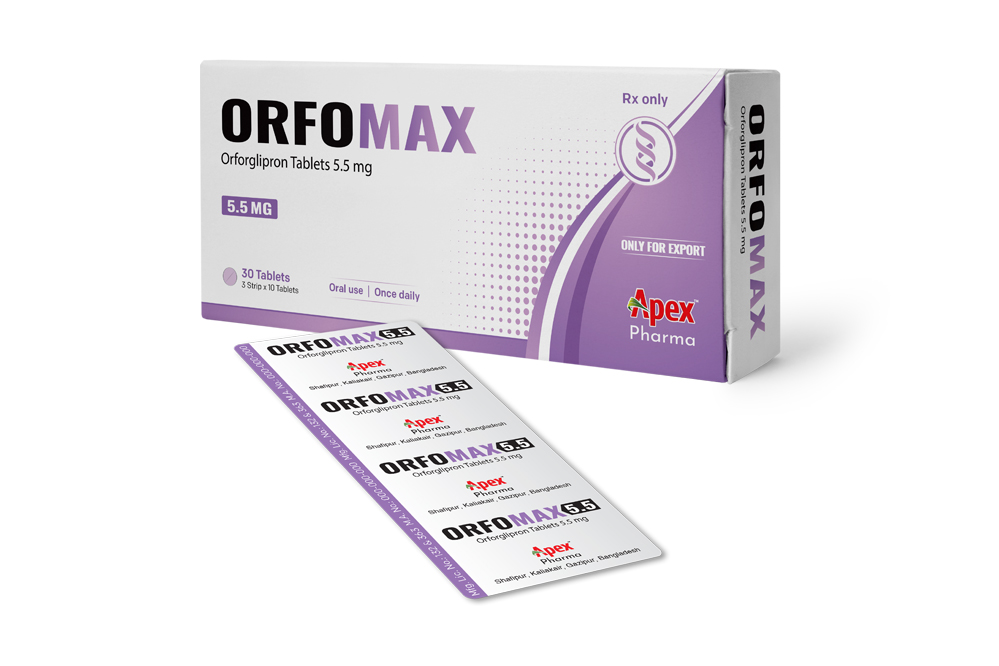
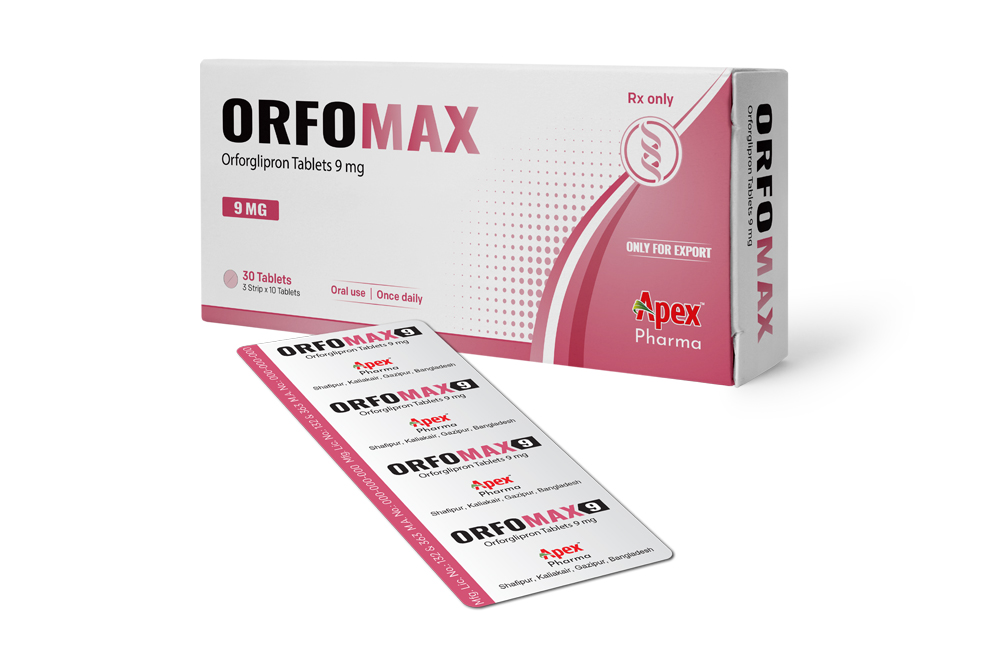
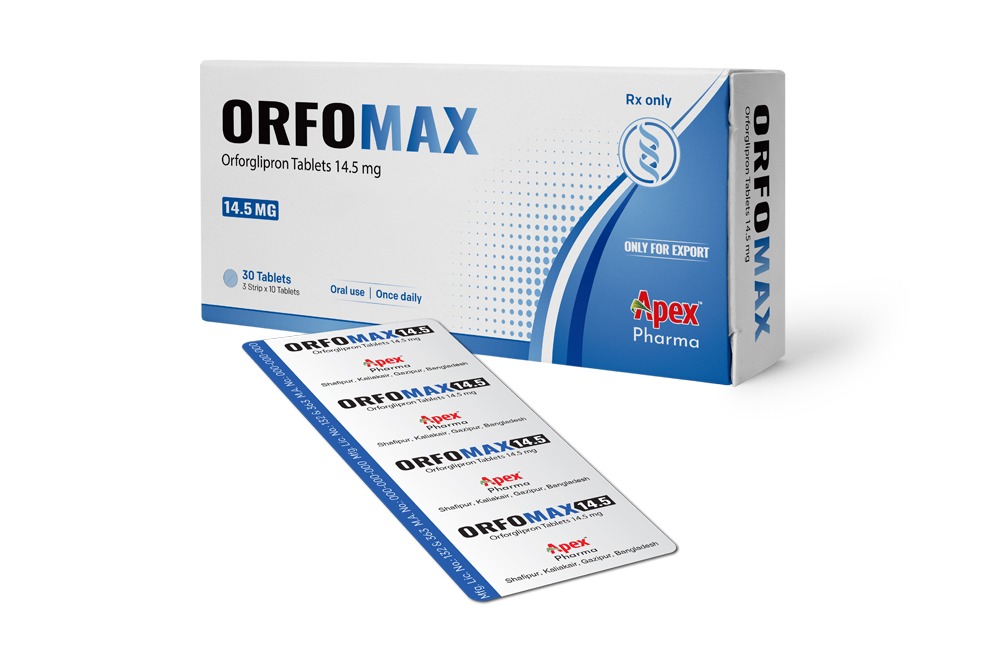
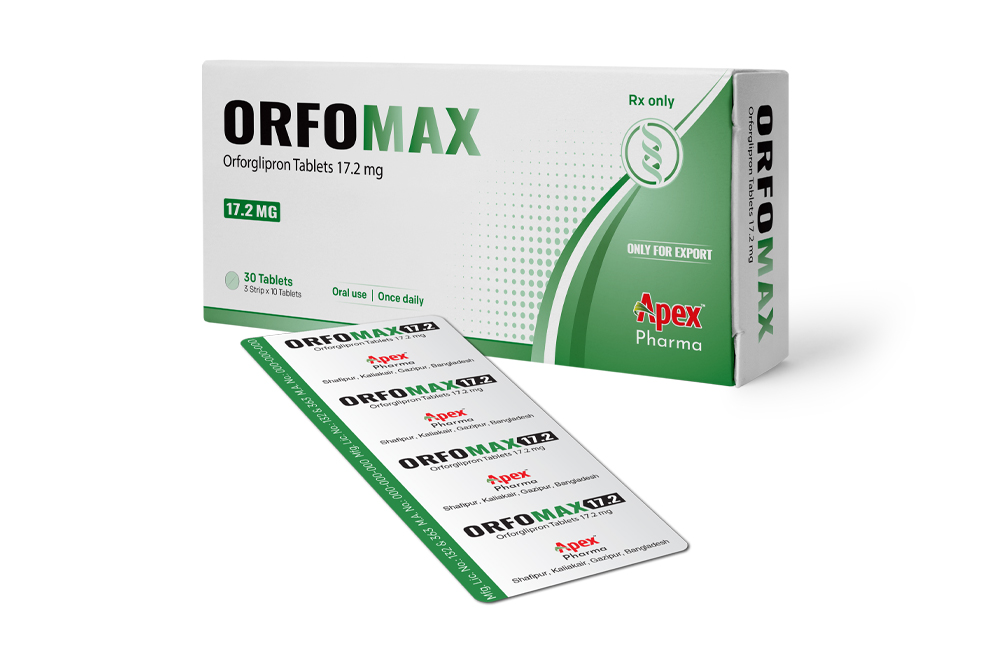
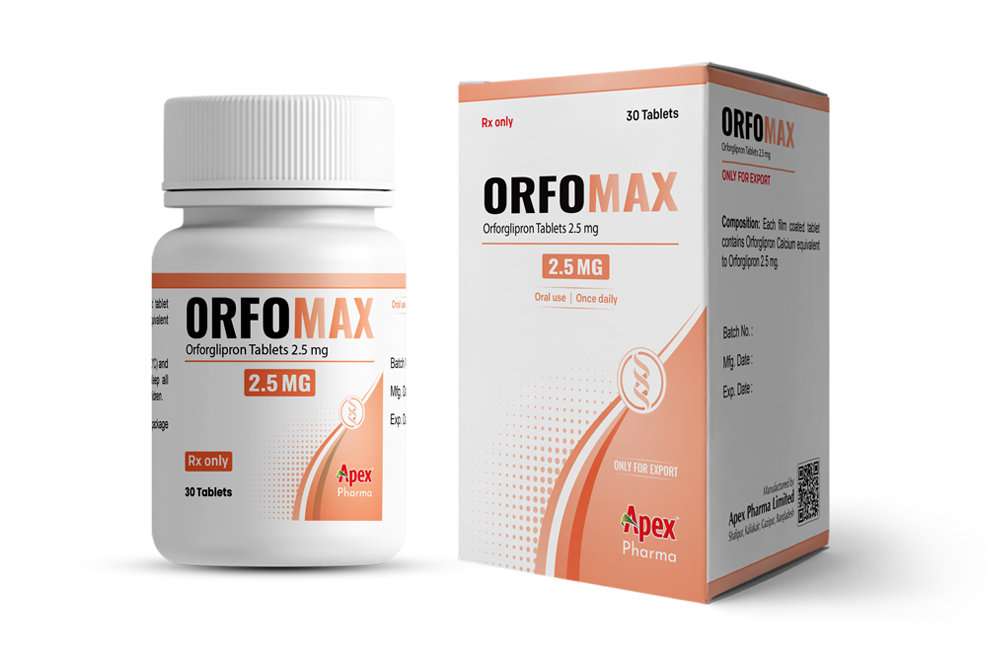
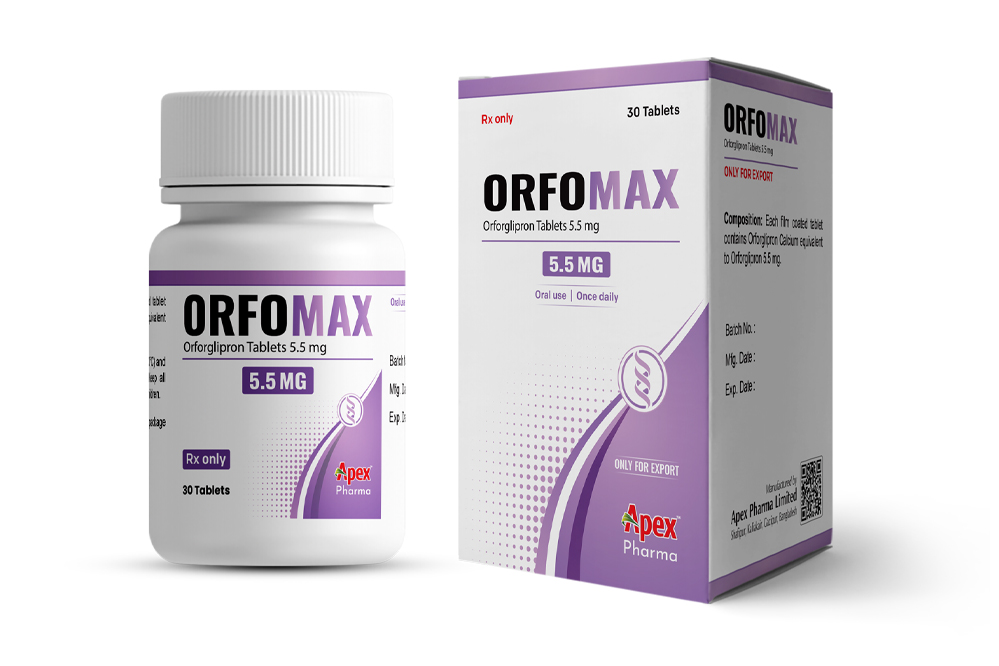
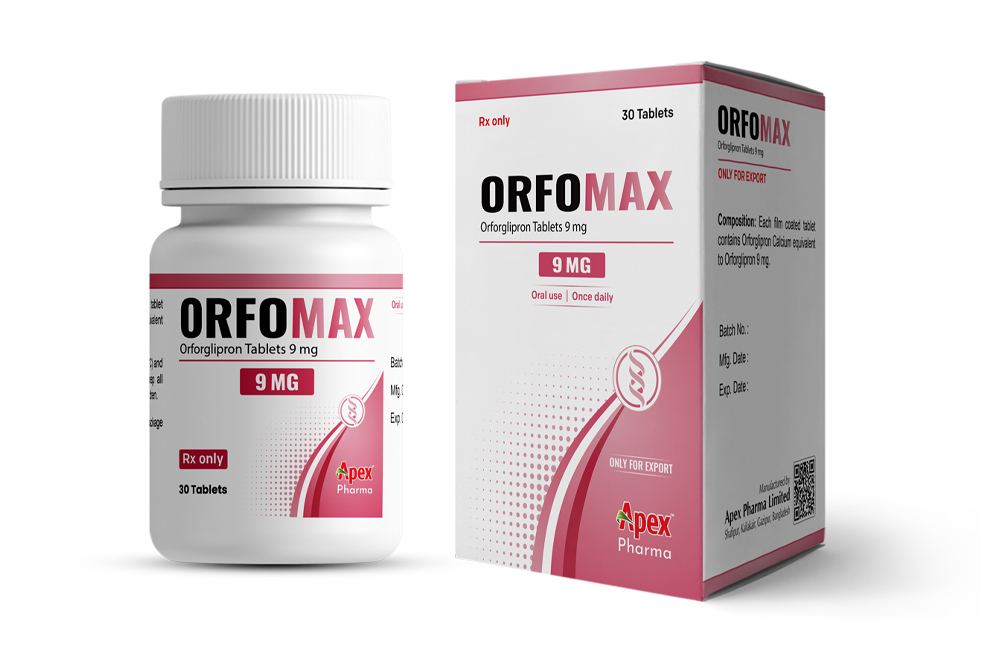
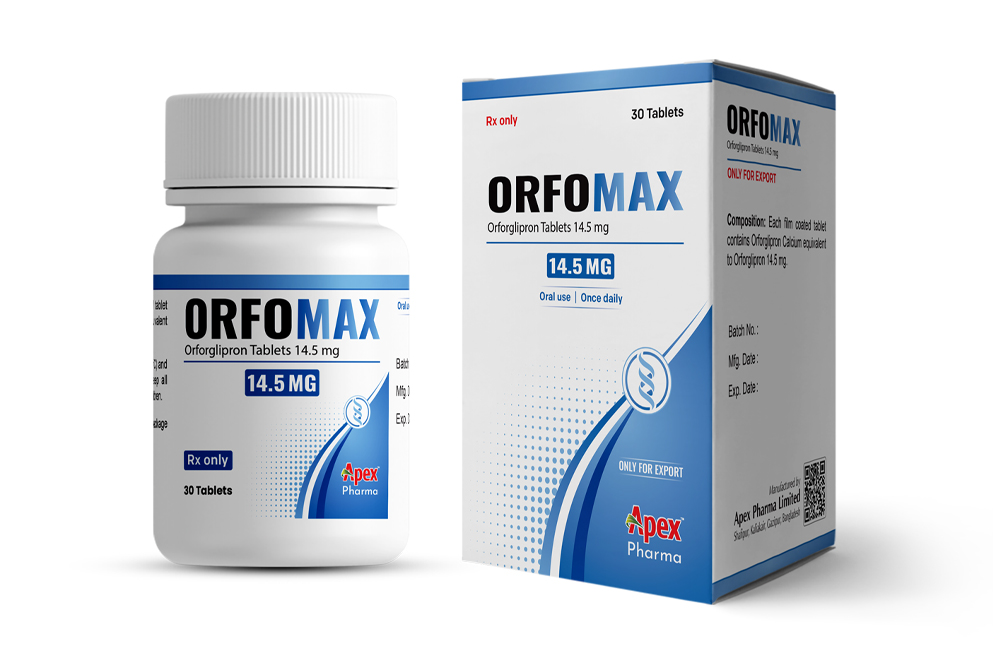
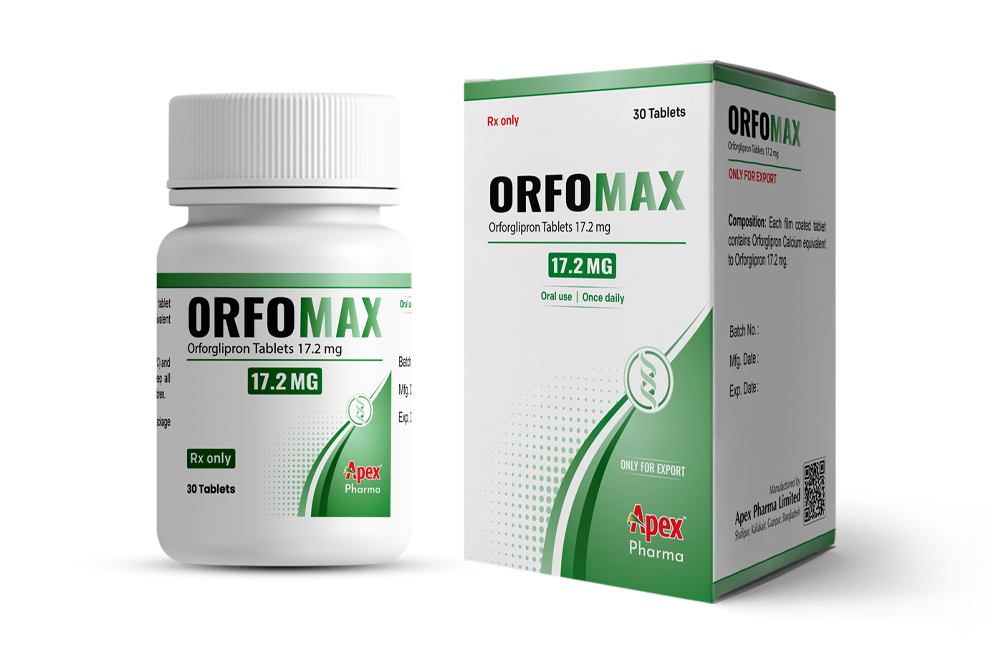
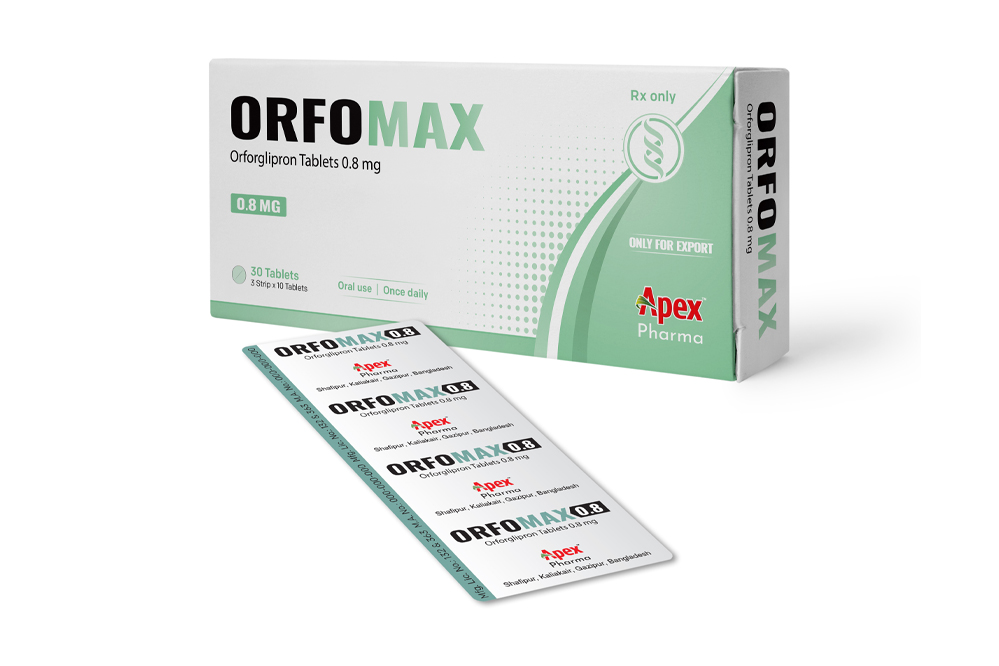
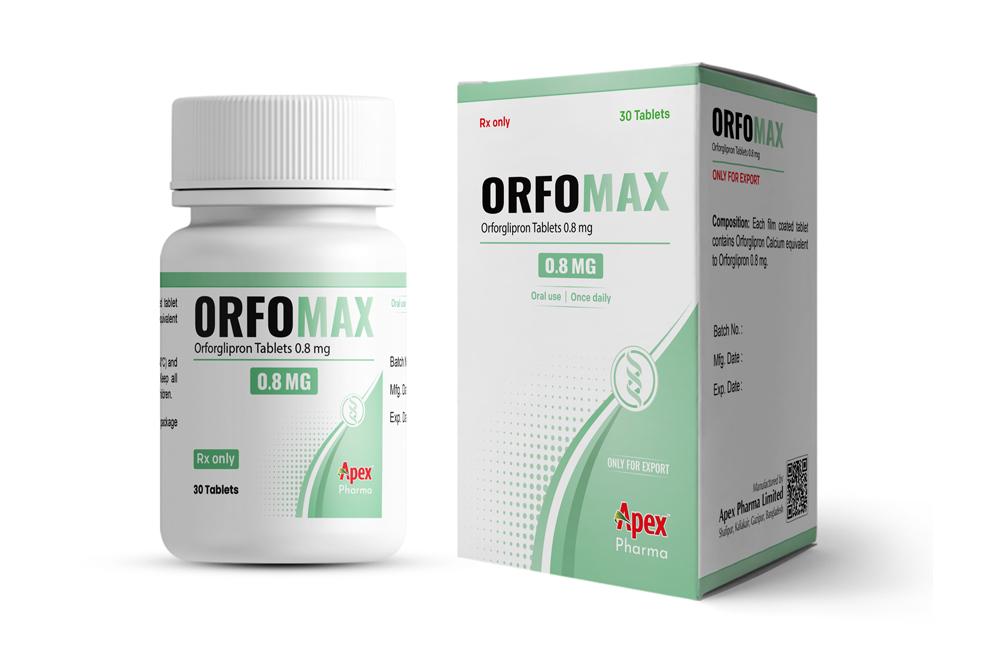
film-coated tablet contains orforglipron calcium hydrate equivalent to 0.8 mg,
2.5 mg, 5.5 mg, 9 mg, 14.5 mg, or 17.2 mg of orforglipron, depending on the
strength.
Pharmacology
Orforglipron is
a once-daily, non-peptide, small-molecule glucagon-like peptide-1 (GLP-1)
receptor agonist. It activates the human GLP-1 receptor and helps reduce
appetite and food intake.
Indication
Orfomax is
indicated alongside a reduced-calorie diet and increased physical activity to
reduce excess body weight and maintain weight reduction over the long term in
adults with obesity or in adults with overweight and at least one
weight-related comorbidity.
Dosage and
Administration
Take Orfomax
orally once daily, with or without food. Swallow the tablet whole. Do not
break, crush, or chew it. Do not take more than one tablet per day.
Start with 0.8
mg once daily. After at least 30 days, increase to 2.5 mg once daily. After at
least 30 days at 2.5 mg, increase to 5.5 mg once daily. Further increases to 9
mg, 14.5 mg, or 17.2 mg once daily may be made after at least 30 days at each
dose, based on treatment response and tolerability. The maximum dose is 17.2 mg
once daily.
Contraindications
Orfomax is
contraindicated in patients with a personal or family history of medullary
thyroid carcinoma (MTC), in patients with multiple endocrine neoplasia syndrome
type 2 (MEN 2), and in patients with known serious hypersensitivity to
orforglipron or any of its excipients.
Warnings and
Precautions
Thyroid C-Cell
Tumors
Thyroid C-cell
tumors have been observed in rodents exposed to certain GLP-1 receptor
agonists. Orforglipron did not produce these tumors in rodents. The relevance
of these findings to humans is unknown.
Acute
Pancreatitis
Discontinue
Orfomax and initiate appropriate management if pancreatitis is suspected.
Symptoms may include persistent or severe abdominal pain, sometimes radiating
to the back, with or without nausea or vomiting.
Severe
Gastrointestinal Reactions
Severe
gastrointestinal reactions may occur. Orfomax is not recommended for patients
with severe gastroparesis.
Acute Kidney
Injury Due to Volume Depletion
Nausea,
vomiting, or diarrhea can lead to dehydration and acute kidney injury. Monitor
renal function in patients with adverse reactions that could cause volume
depletion, especially during treatment initiation and dose escalation.
Hypoglycemia
Orfomax can
lower blood glucose. The risk of hypoglycemia may increase when it is used with
insulin or a sulfonylurea.
Hypersensitivity
If a serious
hypersensitivity reaction occurs, discontinue Orfomax and seek prompt medical
attention.
Acute
Gallbladder Disease
If
cholecystitis is suspected, gallbladder evaluation and appropriate clinical
follow-up are indicated.
Adverse
Reactions
Common adverse
reactions include nausea, constipation, diarrhea, and vomiting, particularly
during dose escalation. Indigestion, abdominal pain, headache, and hair loss
have also been reported.
Use in
Pregnancy and Lactation
Pregnancy:
Orforglipron may cause fetal harm. Discontinue Orfomax when pregnancy is
recognized.
Lactation: The presence of orforglipron or its metabolites in human milk is unknown. Orfomax is not recommended during breastfeeding.
Packaging
Each box
contains 30 tablets in blister packs (3 × 10) for each strength.
Store below 30°C. Protect from light and moisture. Keep out of the reach of children.
PRODUCTS
Apex Pharma Has
60+ Pharmaceuticals Brands
of Different Generics